
Fibroids

Fibroids are a very common, non-cancerous growth in the uterus. Depending on their size and location, they may cause heavy and painful periods, as well as bulk-related symptoms like urinary frequency, abdominal distention and a feeling of pressure or fullness.

Fibroids
Fibroids are a very common, non-cancerous growth in the uterus. Depending on their size and location, they may cause heavy and painful periods, as well as bulk-related symptoms like urinary frequency, abdominal distention and a feeling of pressure or fullness.
Watch this video on all your Fibroid Treatment Options.

Fibroid Treatment in Sydney: A Comprehensive Guide to Your Options to Avoid Hysterectomy

Explore treatment options for uterine fibroids, including medication, Mirena, ablation, myomectomy, hysterectomy and uterine fibroid embolisation. Read the complete guide and watch the video to learn more about the available options.

What are Fibroids? Sydney Fibroid Clinic

Uterine fibroids are a very common, non-cancerous growth in the uterus. About two-thirds of Australian women are estimated to be impacted by uterine fibroids at some stage. Fibroids most commonly affect women in their 30s to 40s and tend to shrink in women who have passed menopause.

It’s possible to have one or several fibroids, which can vary from a few mm to more than 20cm. Not all uterine fibroids need to be treated, but for those that do, there are many options available.

What are the Types of Fibroids?

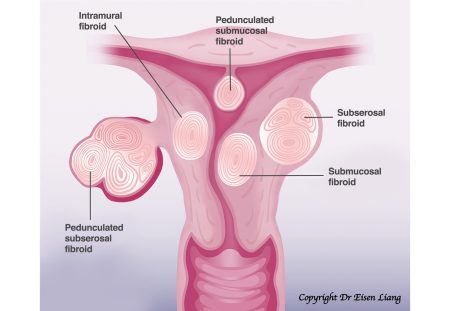
There are 5 types of fibroids according to their locations. Submucosal types near the cavity can cause heavy bleeding. Subserosal types on the outside can cause pelvic pressure. Intramural type is within the wall and can cause heavy bleeding and bulk symptoms. Sydney Fibroid Clinic specialist interventional radiologist and gynaecologists work together to treats all types of fibroids without hysterectomy.

What are the Symptoms of Fibroids

Heavy, painful periods, frequent urination, pelvic pain and pressure, back, pelvic or leg pain, bloating, anaemia and a lack of energy.

Because of the bleeding and pain associated with uterine fibroids, there may also be anxiety about damaging clothing, travelling, work, exercise, intercourse and social activities – affecting quality of life of many Sydney women.

Get your life back without hysterectomy for fibroids. Consult our fibroid treatment specialists in Sydney.

What are the Types of Fibroids?
There are 5 types of fibroids according to their locations. Submucosal types near the cavity can cause heavy bleeding. Subserosal types on the outside can cause pelvic pressure. Intramural type is within the wall and can cause heavy bleeding and bulk symptoms. Sydney Fibroid Clinic specialist interventional radiologist and gynaecologists work together to treats all types of fibroids without hysterectomy.
What are the Symptoms of Fibroids
Heavy, painful periods, frequent urination, pelvic pain and pressure, back, pelvic or leg pain, bloating, anaemia and a lack of energy.
Because of the bleeding and pain associated with uterine fibroids, there may also be anxiety about damaging clothing, travelling, work, exercise, intercourse and social activities – affecting quality of life of many Sydney women.
Get your life back without hysterectomy for fibroids. Consult our fibroid treatment specialists in Sydney.

Can Fibroids Be Malignant?

Fibroids are a very common, non-cancerous growth in the uterus. Fibroids do not turn malignant. Though uterine fibroids can grow quite quickly, it does not mean they’re nasty.

Read more on our blog.

Read More

Fibroids Treatment Options

Your choice of fibroid treatment depends on the type and severity of your symptoms, as well as the size and location of your fibroids. At Sydney Fibroid Clinic, fibroid treatment is tailored to each woman’s needs based on her symptoms, fibroid size and location, and personal preferences. SFC specialises in applying uterine fibroid embolisation as a minimally invasive alternative to hysterectomy, and we often combine medical treatments, UFE, and adjunct minimally invasive surgical procedures to help women avoid hysterectomy.

There is often no single “best” treatment for everyone, and a detailed discussion with a specialist experienced in a combination of fibroid treatment options is important to fully understand the benefits, risks, recovery time, and long-term outcomes of each option, and to work out the most suitable treatment for you.

Watch this video on the Complete Guide to Fibroid Treatments.


Medical Therapy for Adenomyosis
Medical Therapy for Fibroids

Tranexamic acid, nonsteroidal anti-inflammatory drugs (NSAIDs), birth control pills, or progesterone agents may be used

Mirena IUD for Fibroids

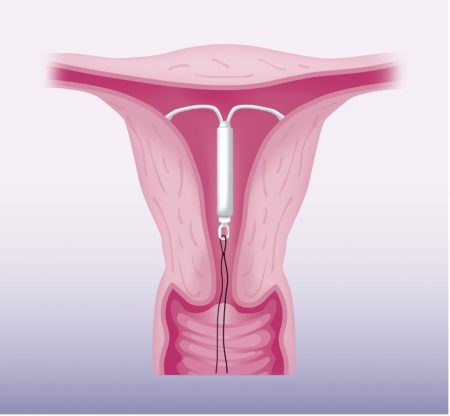
Mirena might reduce heavy bleeding but will not shrink fibroids. Mirena is an intrauterine device (IUD). It is a T-sh

Endometrial Ablation for Fibroids

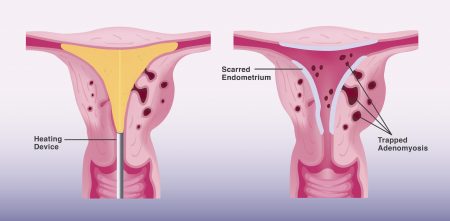
Endometrial ablation does NOT shrink fibroids themselves. Ablation uses heat energy to surgically destroy the inner l

UFE Explained
Uterine Fibroid Embolisation for Fibroids

Uterine fibroid embolisation (UFE) is also known as uterine artery embolisation (UAE). UFE is a safe, effective and m

Hysteroscopic Resection for Fibroids

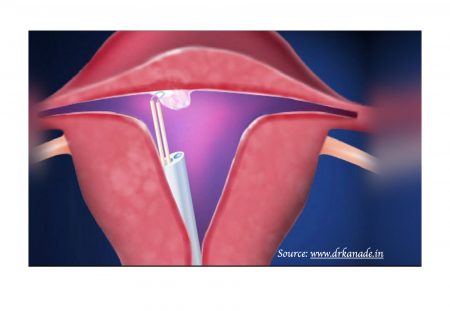
Hysteroscopic resection ( a guided curette procedure ) removes fibroids with the aid of a camera through the vagina and

Different fibroids on the uterus.
Myomectomy for Fibroids

A myomectomy is a surgical operation to remove one or a few fibroids. A myomectomy is offered to women who wish to retai

FAQs about Uterine Fibroid Embolisation (UFE)

How Does UFE shrink Fibroids without Surgery? Can UFE be an effective alternative to Hysterectomy?

  • Video By Channel 7 News Team: UFE performed by Dr Eisen Liang-Sydney fibroid embolisation specialist

    Watch this video produced by Channel 7  News Team showcasing UFE by Sydney fibroid treaetment specialist Dr Eisen Liang from Sydney Fibroid Clinic

    UFE stands for Uterine Fibroid Embolisation, also known as UAE (Uterine Artery Embolisation).

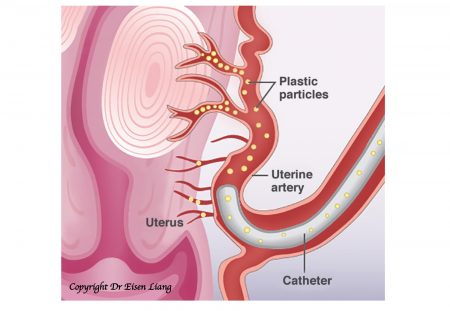
    During UFE, small particles are injected into the arteries tof the uterus, blocking the blood flow to the fibroids which will shrink and die.


  • How is UFE performed by Sydney Fibroid Clinic?

    A tiny nick in the skin is made and a 1 - 2 mm catheter is then inserted.

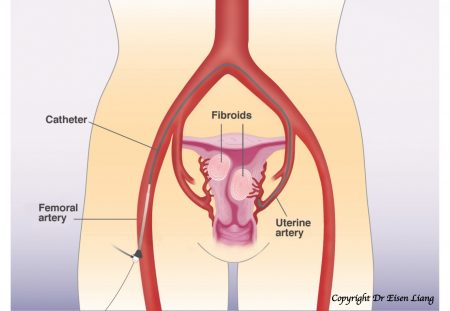
    UFE at Sydney Fibroid Clinic is performed by interventional radiologist Dr Eisen Liang who specialises in uterine embolisation.  The procedure is not painful and therefor ecan be perfomed under light sedation. Local anaesthetic is injected at the groin, where a tiny nick in the skin is made. A catheter (small tube 1 – 2 mm in diameter) is then inserted into the femoral artery. X-ray dye is then injected to generate a map  to guide the catheter to reach the uterine arteries. Tiny plastic particles (0.3 – 0. 5mm in size) are mixed with X-ray dye and injected under X-ray control to block the uterine arteries.

  • How does UFE work? UFE shrinking fibroids without harming the normal uterus?

    During UFE, particles injected will block some of the normal uterine vessels.

    UFE treats fibroids by blocking their blood supply. At Sydney Fibroid Clinic, we inject the well trusted tiny PVA particles  into the uterine arteries to sut down blood flow to the fibroids, causing them to shrink and die.

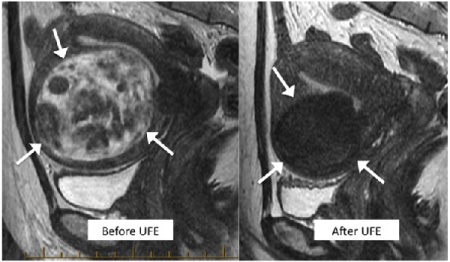
    Removal of fibroids without hysterectomy: Before and after MRI.

    As you can see in the above picture,  the normal uterine muscle (myometrium) remains viable and  healthy. This is because the normal part of the uterus has a rich network of dormant collateral vessels that can be recruited when needed—such as during pregnancy when the uterus enlarges and requires increased blood flow. These collateral vessels naturally shut down again after childbirth.

    When UFE blocks some of the arteries in the noraml part of the uterus, these dormant vessels are recruited and activated  to preserve the blood supply to the normal uterine tissue. In contrast, fibroids do not have dormant collateral vessels to  recruit, and therefore will die without blood supply.

    See more UFE Case Studies

  • How effective is UFE compare with hysterectomy?

    Cochrane review in 2014 cited 5 clinical trials  comparing UFE with hysterectomy,  concluding that  UFE is as effective as hysterectomy in alleviating fibroid symptoms and improving quality of life.

    UFE is effective for multiple and large fibroids. All fibroids in the uterus are treated in one go. Unlike myometomy,  small fibroids left behind can grow and cause recurrent symptoms. UFE is an one-off treatment and fibroid recurrence  afte UFE is exceedingly rare.

    Sydney Fibroid Clinic’s own study showed 93% of women treated were happy or very happy with the outcome. The size and number of fibroids do not usually matter to the success of UFE.

  • Hysterectomy vs UFE Comparison Table


      Hysterectomy UFE
    Nature Major surgery Minimally invasive
    Where Operating theatre Angiogram suite
    Performed by Gynaecologist Interventional radiologist
    Anaesthetic General Local
    Size of cut on skin 15cm 0.3 cm
    Hospital stay 4 – 6 nights 1 – 2 nights
    Recovery 4 – 6 weeks 1 week
    Risk of blood transfusion 2 – 3% Nil
    Acute complication 5 – 10% < 1%
     Prolapse Incontinence Risk Yes No
    Effectiveness for fibroid symptoms Same Same
    Quality of life improvement Same Same
    Imaging follow-up No at 6 month
    Future fertility No Possible
    Cost Higher Lower


  • What are the advantages of UFE over hysterectomy?

    UFE is highly effective in treating the symptoms of fibroids without surgical removal of the fibroids or uterus. The procedure is performed under local anaesthetic and is much less invasive than a hysterectomy. When compared to a hysterectomy, UFE requires a shorter hospital stay (1 – 2 days versus 2 – 7 days) and much shorter convalescence (1 week versus 4 – 6 weeks) before returning to work or normal activities. Women can get rid of fibroid symptoms by shrinking their fibroids, instead of having their fibroids or uterus removed by surgery.


    UFE can effectively shrink fibroids without the risk of hysterectomy and without the long term side effects of hysterectomy, such as  prolapse, incontinence, early menopause, sexual dysfunction, and increased coronary artery disease risk.

  • What are the risks of UFE compare with hysterectomy?

    UFE is a minimally invasive procedure. It is very safe, especially when compared with hysterectomy which is a  major surgery requiring general anasethetic.

    Procedural-related complications are very rare for UFE. Groin haematoma is less than 1%. Other blood vessel injuries are even less common. Non-target injection of particles to other organs should not occur in experienced hands. Bladder infection from catheterisation is around 3%. Major complications that reuiring ICU admission or vascular surgical inervetion are almost unheard of.

    Delayed complications are usually related to fibroids located near the uterine cavity (submucosal). Small fibroid fragments can slough off – seen as virginal discharge or passage of small tissue fragments. Sloughing of large tissue fragments into the cavity may cause obstruction of the cervix, resulting in pain and infection (smelly discharge, fever and chills) in about 3% of women treated. Some women are able to pass the fibroid fragments themselves; others might require a transcervical removal (like a curette procedure).

    The risk of needing a hysterectomy to treat an uncontrollable infection is less than 1%.

    Hysterecotmy is a major operation that is associated with complciations of general anaesthtic and major surgery, including infection, blood loss, and wound issues. Major injuries to the bladder, utreter and bowel are rare but devastating to the patients.

    There are also risks of developing long term side effects of hysterectomy including prolapse, incontinence, sexual dysfunction, early menopasue and heart dissease.

    UFE are not associated with the acute surgical risks and long tern side effects of hysterecomy. UFE is a much less invasive and safer fibroid treatment option compare with hysterectomy.

  • Is UFE still new and experimental?

    No. UFE has been performed since 1995 and has been rebatable by Medicare since November 2006. International and local studies have demonstrated UFE is safe and effective in treating fibroid symptoms. It is recognised as a compelling treatment option by colleges of obstetrics and gynaecology in Australia, the UK and USA. In 2014, Cochrane Review – the highest evidence authority in medicine – concluded that UFE is as effective as a hysterectomy in symptom relief and quality of life improvement.

    Dr Eisen Liang of Sydney Fibroid Clinic performed his first UFE in 1997 in Hong Kong and has been performing UFE in Sydney since 2007 when Medicare rebate become available. Dr Eisen Liang of Sydney Fibroid Clinic performs 250 UFE/UAE procedures annually.

  • Is UFE painful?

    The UFE procedure itself is essentially pain-free. Local anaesthetic at the groin may sting for about 15 seconds before taking effect. Soon after embolisation, the fibroids are strangulated (cut off from blood supply) and pain may be experienced – but the degree varies from person to person.

    Our robust pain control protocol has worked well for many previous patients for more than 10 years, including patient-controlled analgesia (PCA) administered through an IV drip. Pain is usually worst for the first 12 hours and pain is usually controllable with oral pain medication the following day.

    Take home medications typically include regular Panadol and nonsteroidal anti-inflammatory drugs (NSAIDs). Additional stronger pain medications are also supplied. Pain should subside within 4 – 5 days and patients should anticipate returning to normal activities about 7 days after the procedure.

  • Will I still get my period after UFE? Will I enter early menopasue?

    Women  considering UFE/ UAE are concerned about whether the treatment might affect ovarian function or bring on early menopause. The good news is that ovarian injury from UFE/UAE is uncommon, especially in younger women.


    How common is ovarian dysfunction after UAE?

    Women under 40–45 years old

    • Studies consistently show minimal long-term impact on ovarian function.
    • AMH levels may dip slightly at 3 months but usually recover by 6–12 months.
      (Tropeano et al., Human Reproduction 2011)
    • Most women continue regular periods and maintain their fertility potential.
      (McLucas et al., Fertility & Sterility 2015)

    Women 45 years and older

    • Women nearing menopause naturally have lower ovarian reserve, so UAE may bring on menopause a little earlier.
    • Randomised trials show a 10–20% chance of earlier menopause in this age group.
      (Hehenkamp et al., Human Reproduction 2007; de Bruijn et al., AJOG 2016)

    Overall risk of permanent amenorrhoea

    • Across all ages: 1–7%.
    • Under 40: 0–2%.
      (EMMY Trial, de Bruijn et al., AJOG 2016)


  • Can I still get pregnant after UFE?

    Many prior studies have shown pregnancy is possible after UFE. Overall, meta-analysis suggests that the live birth rate post-UFE is in the range of 31-48%. There is a small risk of ovarian failure of 1-3% following UFE in women younger than 40 years of age. In other words, 97-99% of the time her ovaries are not injured with UFE.

    Though a successful pregnancy outcome is possible after UFE, this is a complex issue. The presence of fibroids may make it difficult to get pregnant, cause potential miscarriage and present difficulties with normal vaginal delivery.

    Traditionally, a myomectomy is recommended if fibroids are thought to be interfering with fertility and pregnancy. A myomectomy is a major surgery  and is generally more technically challenging than a hysterectomy. Risk of blood transfusion is higher than with a hysterectomy and the risk of needing a hysterectomy remains if the surgeon is unable to control bleeding.

    For those fibroids unsuitable for a myomectomy or hysteroscopic resection, UFE should be considered as an alterntive or adjnunt treatment.

    Following UFE, there is more than a 90% chance that the uterus can be conserved.

    However, women younger than 40 needs to be aware about the 1 – 3% risk of ovarian failure. Egg harvesting prior to UFE may be considered as an option. Beware that ovarian stimulation can cause further fibroid enlargement.

    It should be emphasised that the aim of UFE is to provide fibroids treatment with a minimally invasive technique, in order to avoid hysterectomy. Although pregnancy is still possible after UFE, successful pregnancy depends on many other factors and therefore cannot be guaranteed.

  • What are the plastic particles (PVA)?

    In Sydnehy Fibroid Clinic, Dr Eisen Liang uses PVA (Polyvinyl alcohol) as the blocking agent. It is a pure form of plastic without harmful additives. PVA as embolic material in medicine has been around for more than 30 years. It is chemically inert, and does not react to the bodies chemical or biochemical process. It does not cause allergy.

    Clearly there has been plenty of research on PVA.

    We’ve seen PVA used in numerous medical settings such as soft contact lens material, artificial heart linings, artificial cartilages, catheters, skin, and pancreas membranes(1). PVA is commonly used as capsules for medicine, vitamins and dietary supplements.

    Pharmacologists have explored using PVA as drug delivery systems to distribute medications through various routes effectively. They’ve also harnessed the film-forming and adhesion properties in body washes, multipurpose creams, and sunscreens (1,2).

    Researchers and manufacturers continue to explore the potential uses of PVA to keep foods safe. We see PVA in food packaging and commonly used as capsules for dietary supplements. It’s safe to consume in normal quantities, and the FDA recognizes it as a GRAS ingredient(1).

    Check out this link for the  reference .

    https://www.canr.msu.edu/news/trending-polyvinyl-alcohol

  • Is UFE effective for adenomyosis?

    Yes. International studies and Sydney Fibroid Clinic’s own studies lead by Dr Eisen Liang have demonstrated UFE (also known as UAE) is highly effective for adenomyosis as well.

    More information on Sydney Fibroid Clinic’s adenomyosis treatments can be found here.

    UAE For Adenomyosis

  • Am I a candidate for UFE?

    If you’re troubled by the symptoms of fibroids and looking for alternative to hysterectomy, UFE offered by Sydney Fibroid Clinic could be an ideal fibroids treatment – especially if you wish to preserve your uterus, avoid major surgery and recover quickly.

    To see if are a suitable candidate for UFE, call us or book a consultation with Dr Eisen Liang our Sydney fibroid embolisation specialist.

    Enquire About Fibroid Treatment

  • What pre-procedural evaluations are required for UFE? Why do I need an MRI?

    All patients are required to have a pre-procedure consultation with our interventional radiologist. This allows us to obtain a gynaecologic and general medical history, review imaging findings, go through all treatment options and answer any questions regarding UFE.

    An MRI of the uterus is required. MRI with DWI is needed to rule out sarcoma ( a malignant tumour that can look like a fibroid on ultrasound).

    MRI also maps  out fibroid locations, demonstrates richness of cells and blood supply. It helps to identify potential trouble making submucosal fibroids that might require pre-UFE Zoladex or post-UFE adjunct surgical removal.

    The MRI is also used as a baseline for follow-up evaluation at six months.

    The MRI needs to be done by our preferred MRI service providers, who are familiar with our stringent protocols and have fast online viewing arrangement with us.

    Patients must not be pregnant. A pregnancy test is required if there is possibility of pregnancy and the procedure is done more than 10 days since the beginning of your last menstrual cycle.

  • What do I do on the day of my UFE?

    On the day of your procedure, you’ll need to avoid solid food for 6 hours. Clear fluid and medications are allowed up until the time of procedure.

    Nursing staff will start an intravenous line to give you fluid, sedatives and pain relief medications. We’ll also need to place a catheter in your bladder, to ensure your bladder remains empty during the procedure. As your bladder is in front of your uterus, X-ray dye collected in the bladder will obscure our view.

  • How do I recover after UFE?

    After your procedure, you’ll need to lie still for 2 hours to prevent bleeding in the groin.

    You may experience pain and nausea. Medications are prescribed to control these symptoms and you may ask the nurses if you require them. The pain is worse in the first 12 hours. You’ll be given a patient-controlled analgesia (PCA) pump that allows you to administer the dose you need. You are allowed to eat and drink, but you might be nauseous and you might not have any appetite.

    Typically, you will no longer require the PCA the next morning and the bladder catheter can be removed to allow you to move around and to shower. The majority of our patients are able go home, though some might need to stay another night until the pain is under control and oral fluid intake is adequate.

    Take home medications typically include regular Panadol and nonsteroidal anti-inflammatory drugs (NSAIDs). Additional long and short acting pain medications are also supplied. Coloxyl with Senna is also provided to prevent constipation.

    In the next few days, you may experience residual pain, lethargy and low-grade fever. You should be well enough to go to the local shops on days 4 – 5. You should anticipate returning to work and normal activities about 1 week after your procedure.

    Some vaginal discharge and minor bleeding is normal after UFE.

  • What follow-ups are required after UFE?

    We will touvh base with you via email at 3 months post UFE to check your clinical progress. You’ll  need a progress MRI at 6-month review with Dr Liang.

  • Can my GP refer directly to Interventional Radiologists for fibroids?

    Yes. Interventional radiologists are clinical specialist that your GP can refer you for a seond opinion. UFEs @ Sydney Fibroid Clinic are performed by interventional  radiologist Dr Eisen Liang who is specialises in fibroid embolisation.

    Sydney Fibroid Clinic believes in a multidisciplinary approach to deliver the best care for women with fibroids.

    You might have seen your own gynaecologist, who may or may not be familiar with UFE. Dr Liang is happy to discuss your case with your gynaecologist if needed. Otherwise, we are happy to see you to provide you with a second opinion.

    If you have not seen a gynaecologist, Dr Liang is will see you first and discuss all your treatment options.

    Dr Liang often consult in an adjacent room to a gyanecologist who can be invited in for a joint consultation to discuss your options. The second specialist will often bulk bill to reduce your out-of-pockt fee.

  • Are there any problems I need to watch for after UFE?

    During the first week, you might experience residual pain, lethargy and low-grade fever. Minor vaginal discharge or bleeding and passage of small tissue fragments are also expected. These are normal

    If the vaginal discharge is smelly, there could be bacterial colonisation and antibiotics may be required. You should see your GP or contact us for antibiotic treatment. Passage of larger fibroid fragments may be associated with pelvic cramps. Panadol and Nurofen can be used for pain control.

    Resurgence of severe pelvic pain, fever, chills, and smelly vaginal discharge may indicate cervical blockage and infection. You may require urgent medical assessment. If any of these symptoms occur, please contact us immediately, or see your GP or gynaecologist. If symptoms are serious and urgent (e.g. after clinic hours), you should visit the emergency department for assessment and ask emergency doctors to contact Dr Liang via the hospital switch (the hospital where you had UFE).

    Some women are able to pass fibroid fragments themselves; others might require a transcervical removal (like a curette procedure).

    The risk of needing a hysterectomy to treat an uncontrollable infection is less than 1%.

UFE vs hysterectomy

Contact Sydney Fibroid Clinic

If you’re troubled by symptoms of uterine fibroids and looking for alternative to hysteectomy,  UFE could be a viable option for you; especially if you wish to preserve your uterus, avoid major surgery and recover quickly.

For more information on whether you’re a suitable candidate for UFE, chat to us, or book a consultation with fibroid embolisation specialist Dr Eisen Liang.

Enquire About Fibroid Treatment

Contact Sydney Fibroid Clinic
If you’re troubled by symptoms of uterine fibroids and looking for alternative to hysteectomy,  UFE could be a viable option for you; especially if you wish to preserve your uterus, avoid major surgery and recover quickly.
For more information on whether you’re a suitable candidate for UFE, chat to us, or book a consultation with fibroid embolisation specialist Dr Eisen Liang.
Enquire About Fibroid Treatment

Uterine Fibroid Embolisation Case Studies

UFE shrinks fibroids without surgery. See results here. Uterine Fibroid Embolisation (UFE) treats fibroids by blocking their blood supply. Tiny particles are injected into the uterine arteries, causing the fibroids to shrink and die. Normal uterine tissue is not harmed because it has dormant collateral vessels that can reopen to maintain blood flow—just as they do during pregnancy. Fibroids lack these backup vessels, so they cannot survive once their main blood supply is cut off.

Read our UFE Fibroid Shrinking case studies below.

UFE Shrinking Fibroid Case Studies

  • Case Study 1: Heavy Bleeding due to Fibroid cured by UFE.

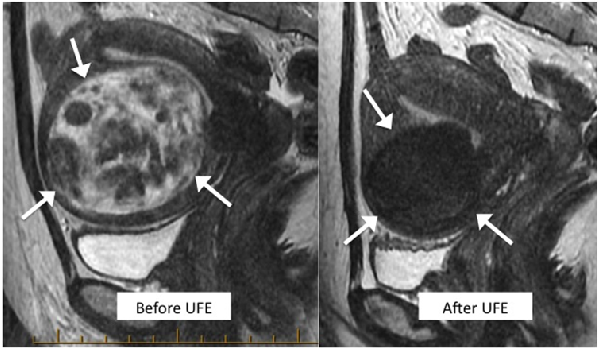
    MRI of shrinking fibroid before and After UFE.

    A 44-year-old lady with severe, heavy menstrual period required a super-pad change every two hours. She had tried medications, such as tranexamic acid, but they did not help. She chose to have UFE to keep her uterus intact. At six months post-UFE her fibroid had shrunk from 138ml to 51ml, her heavy period resolved and she was ‘ecstatic’ with results.

  • Case Study 2 : Too young to have hysterectomy UFE came as rescue.

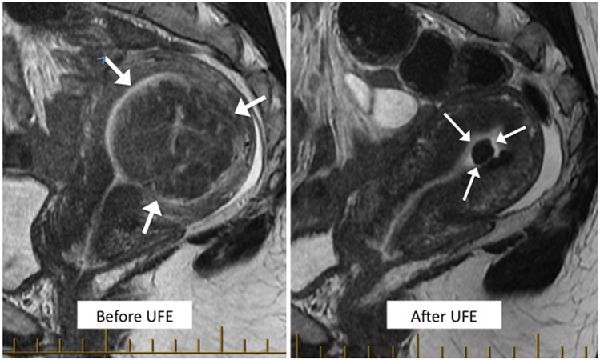
    Before and after UFE MRI showing fibroid shrank from 87ml to only 2ml.

    A 38-year-old busy mother of two with severe, heavy menstrual bleeding required pad and tampon changes every hour for the heavy three days of her period. She also suffered from bladder symptoms and severe period pain. She felt she was too young to have a hysterectomy and chose to have UFE instead. Her fibroid shrank from 87ml to only 2ml. Her periods are now ‘amazingly light’ and she is extremely happy with the UFE outcome.

  • Case Study 3: I looked pregant with large fibroid and now I have a fat tummy.

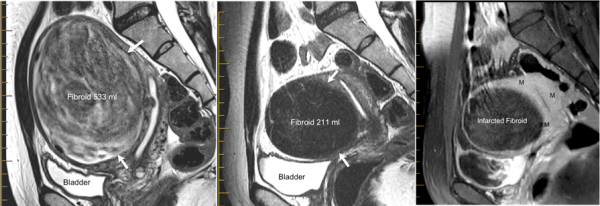
    MRI shows reduction of fibroid volume went from 533ml to 211ml at six-month progress.

    A 43-year-old teacher with a bulging tummy complained of bloating and pressure, urinary frequency and night-time urination. She was well and healthy otherwise, and uninterested in major surgery. The marked reduction of fibroid volume went from 533ml to 211ml at six-month progress. The fibroid is no longer viable, seen as the dark signal without contrast enhancement; note the normal looking viable enhancing myometrium M. All her symptoms have resolved and she is glad that she can now fit her jeans again.

  • Case Study 4: All my other treatments failed, but I don't want a hysterectomy. UFE changed my life.

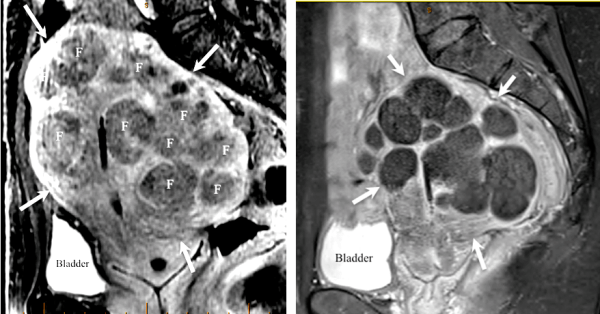
    Pre-UFE MRI showed numerous fibroids denoted as F.

    A 48-year-old doctor’s wife suffered from severe, heavy menstrual bleeding, anaemia and low iron. She failed tranexamic acid but was not interested in long-term hormone pills. She had hysteroscopic removal of two intracavitary fibroids and insertion of a Mirena IUD. She continued to suffer from HMB but declined a hysterectomy. Her pre-UFE MRI showed numerous fibroids denoted as F. The fibroids became non-viable and shrunken, seen as non-enhancing dark nodules, while the uterine volume reduced from 781ml to 349ml. Her periods become very light and she is very happy: ‘UFE changed my life’.

Shrinking Fibroids Testimonials

Sydney Fibroid Clinic has aided a number of women in achieving uterine fibroids relief, enjoying regular activities, and leading an ordinary lifestyle.

Read their stories below.

Making Life Easier

Making Life Easier

- H.G.

By my second and third periods the change was dramatic…

I found the embolisation technique to be quick, with some sensation during the procedure. Afterwards it just felt like period pain. I was able to go home after a two-night stay and move around without too much effort. I was off work from 27th of April to the 6th of May, but only as a precaution. I had some mild spotting and not too much pain – only taking Panadol for the first few days. I didn’t take the pain relief tablets prescribed to me at the hospital, as I didn’t need them.

My first period was five weeks after the surgery and I already noticed it wasn’t as heavy as before. My cycle returned to the 28 days immediately. I had a few days of light spotting at the end of each period lasting three to four days, but this was only for the first few periods. By my second and third periods the change was dramatic and I didn’t have the very heavy days.

Before UFE, I had to go to the toilet every hour to change. So I didn’t have the stress of worrying about long trips, I’d have to double-up on protection. I didn’t feel as though I couldn’t go anywhere because of the inconvenience.

I used to avoid going out, so I turned down invitations. I also had to make excuses to my manager to work in a location closer to home, because the travel time made things difficult – not easy when your manager is male! I was also really worried about soiling clothing, so I wore a lot of black.

I had a further blood test in June and I was cleared of any anaemia as my blood counts had returned to normal. My iron had dropped a bit, but my GP wasn’t worried as he said my body was using the iron to create red blood cells, rather than me losing it every month.

Things have returned to normal. I’m going out without problems and not carrying around or wearing extra protection. My husband has also noticed the difference, as he was impacted with what he could and couldn’t do and would have to make excuses for me for not going out.

UFE hasn’t left me with any side effects, scarring or pain and it’s so simple and easy. To think that I may have been referred for a hysterectomy if I had another GP is pretty frightening.

Thanks again for making life a whole lot easier!

Loving Life

Loving Life

- C.G.

She was hamstrung by her fibroid problem…

My wife had your procedure to reduce her fibroids, which were sapping her of a lot of red blood cells. She was very ill for a long while until she was referred to you by way of Dr Jeremy Tham to Dr Bevan Brown. My first impression was how easy it all unfolded – from her first consultation to post-surgery.

My wife is a very active person who will see everything there is to see and be involved in a host of different activities. She was hamstrung by her fibroid problem that needed constant attention to work her everyday life.

Her embolisation has maintained her newfound high red blood count to a very healthy and safe level, which has made her much happier and healthier. The main difference is that she can go about her normal life without the worry of fibroids sapping her of energy and avoiding places and events because she was feeling flat or exhausted. She is back to full strength and loving life.

I highly recommend your work and feel that more or all women suffering from fibroids must take this action before going down the road to removal of their uterus.

The procedure was easy on her body and the results are astronomical, so thank you for your work and care. I hope you will help a lot more women with their health.

A Second Chance

A Second Chance

- L.C.

I am so happy to help raise awareness in order to help someone else out there! You are the reason for my sweet, little boy and I can never thank you enough!!!

About ten years ago I started seeing several doctors, as I knew there was something wrong with my body. My symptoms were severe iron deficiency, unexplainable weight gain, mood swings and general lethargy.

As the years passed all would tell me I simply needed to change my diet and one even gave me a course of six iron injections to fix the problem. It wasn’t until I was so tired of having the same problems that I went to see a few specialists. Years later one finally diagnosed me with having an unusually large fibroid in my uterus.

I was referred to one of the best gynaecologists to see what my options were and after a long journey to this point, I was told my only option was a hysterectomy and that I would never have any children. My husband and I were devastated and very emotional that day. The doctor was quick to get me to sign the hospital paperwork to have the procedure done as soon as possible.

I decided to check one last doctor who my sister and friend had deliver their children and was told I did have another option: uterine fibroid embolisation. After more consultations I elected to have UFE done and keep my uterus intact.

Now, four years later, I have better health and a very healthy and happy ten-month-old little boy who is the best thing that has ever happened to my husband and I. I am so grateful for a second chance and the option to be a mother.

For more detailed information on fibroids, get in touch with us.

For more detailed information on fibroids, get in touch with us.